
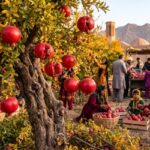
October 29 is the National Day of the symbol of Persian autumn.
A journey through ancestral myths, rural economies, and age-old traditions such as the Night of Yalda.
The Red Gold of Autumn and Harvest Festivals On October 29, Iran celebrates National Pomegranate Day, an occasion set in the heart of autumn to coincide with the height of the harvest season. The choice of the date is deeply linked to the rhythms of the earth: in these days of late October, Orchards across the country — from the lush northern valleys of Gilan to the desert oases of Yazd — are turning red, Ready for the collective harvest. This day's establishment responds to the economic and cultural need to inaugurate traditional autumn festivals, moments when entire communities gather to process and sell the fruits, transforming agricultural toil into a lively popular celebration.
The botanical cradle and the engine of the local economy Ancient Persia is the botanical origin of the pomegranate, domesticated in this region millennia ago before spreading to the rest of the world. Today, Iran historically ranks among the world's leading producers, boasting hundreds of native varieties ranging from very sweet to tart fruits. In addition to fresh consumption, the pomegranate supports a dense network of microeconomies specializing in the artisanal production of juices, jellies, vinegar, and the famous pomegranate molasses (or paste). This ingredient, a true cornerstone of Persian gastronomy, provides lifeblood and sustenance to thousands of rural families.
Ancestral symbolism and the triumph of light The connection with the Iranian people transcends time, merging with a symbolism rooted in Zoroastrianism and the myths associated with Anahita, the ancient goddess of water and fertility. In the local collective imagination, the multitude of seeds within represents abundance, birth, and the cycle of life that resists the arrival of frost. This powerful ritual significance finds its greatest expression on the Night of Yalda, the winter solstice festival: families gather to read poetry and share pomegranates, whose crimson red color evokes the warmth of the sun and the glow of dawn destined to vanquish the darkness of the longest night of the year.