
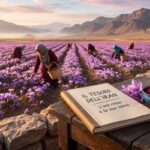
In Iran, October 27 is celebrated as the National Day of Persian Red Gold.
A journey through ancient history, cultural identity, and the economy of a fundamental resource for the country.
On October 27 (the 5th of Aban in the Persian calendar) Iran celebrates National Saffron Day, an official tribute to what is universally known as the red gold of the Islamic Republic. This occasion coincides with the beginning of the harvest season, a brief autumnal period in which the arid plains of Khorasan and other provinces are tinged with the delicate purple carpet of crocus flowers.
The celebration is not just an agricultural festival, but the formal recognition of an absolute primacy. With a historical share of around 90% of global supply, saffron represents one of the country's most crucial non-oil exports. It's a sector capable of driving entire local economies and generating hundreds of millions of dollars in revenue, driven by the painstaking manual labor of entire communities.
A thousand-year-old symbol of identity Beyond its purely commercial value, saffron holds a profound symbolic and identity-building significance in Iran, rooted in over three thousand years of history. Considered one of the five national emblems of Persia, this precious thread embodies ancestral concepts of purity, joy, hospitality, and prosperity.
Its use is inextricably linked to classical literature, the art of miniature painting, and the spiritual rituals originating from Zoroastrianism. The golden color and unmistakable aroma that the spice imparts to traditional cuisine, as well as to ancient perfumery and medicine, have always been associated with the eternity and sacredness of the earth. Celebrating this day means reclaiming a millennia-old cultural heritage, elevating an agricultural product to a pillar of cultural diplomacy and the collective memory of the Iranian people.
Agricultural resilience and economic empowerment Today, this holiday plays a vital role in the country's development and daily life. Saffron is also a precious resource for its sustainability: the plant requires very little water, offering a safe alternative for growers in areas often affected by drought.
During the harvest, local communities and producers promote new strategies for packaging and exporting the spice directly under national brands, with the aim of retaining added value locally and preventing profits from ending up in the hands of foreign intermediaries. The event attracts visitors and supports the work of thousands of families, transforming the harvest into a moment of redemption and economic stability.