
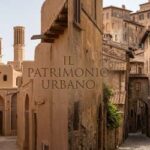
International Day of Historic Earthen Architecture and Urban Heritage.
Today, October 22nd, we celebrate the International Day of Historic Earthen Architecture and Urban Heritage, an event promoted by global cultural institutions to protect and celebrate one of the planet's oldest building techniques. The primary objective is to combat the abandonment and destruction of traditional historic centers, constantly threatened by the advance of concrete and uncontrolled modernization. The day aims to raise public awareness of the need to protect these ancient settlements, recognizing them as fundamental elements of humanity's cultural and aesthetic memory.
The Sustainability of Raw Earth and the Engineering of Yazd
The heart of this celebration lies in the exceptional sustainability of raw earth, a zero-impact, completely biodegradable material with extraordinary insulating properties. One of the finest examples of this vernacular architecture is found in the Iranian city of Yazd: here, the thick clay and straw walls work in perfect synergy with the badass (wind towers) to cool buildings completely naturally. This traditional engineering demonstrates how the past offers passive and environmentally friendly energy efficiency solutions, tools that are as relevant and valuable as ever for addressing the current climate crisis without impacting energy consumption.
The ethics of conservation: a shared challenge
The preservation of these structures introduces the complex issues of conservation ethics, an area that ideally unites Iran and Italy in the shared challenge of keeping their respective ancient urban fabrics alive. Both countries are called upon to reconcile the adaptation and modernization of services with rigorous respect for the original materials and historic construction techniques, avoiding alterations or the mere "museumification" of the villages. Protecting the authenticity of these spaces means considering them dynamic and vital urban organisms, where the preservation of their architectural identity goes hand in hand with the needs and permanence of the communities that still inhabit them today.